Cart
Your shopping cart doesn't have any products yet!
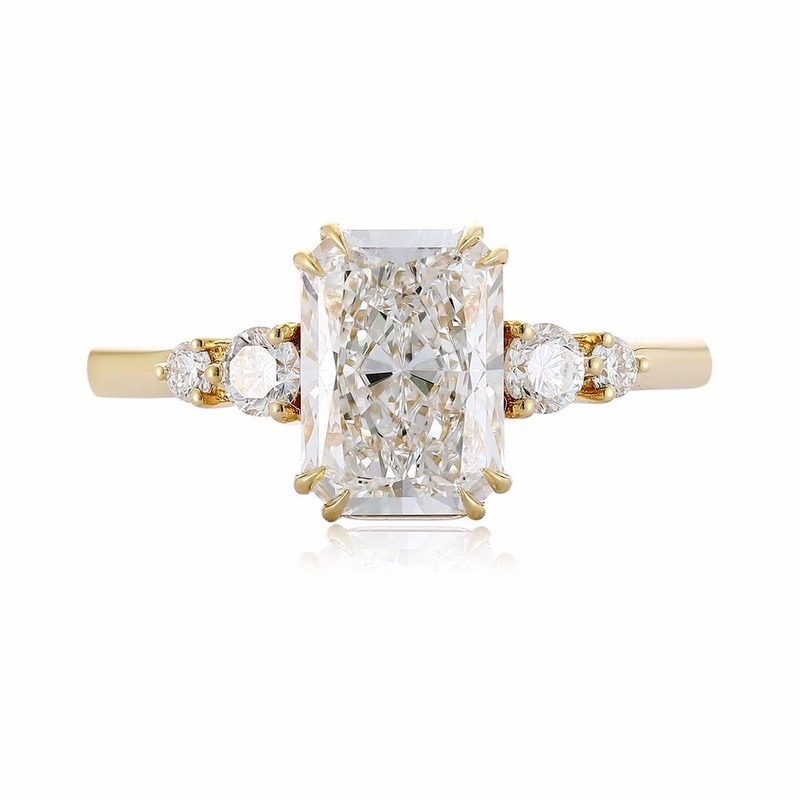
A custom lab-grown diamond ring is a meaningful way to celebrate an engagement, wedding, anniversary, or other special occasion. Unlike ready-made jewelry, a custom ring is designed around individual preferences, allowing buyers to choose the diamond shape, carat weight, metal type, setting style, and personal details. However, one of the most common questions buyers ask before placing an order is: How long does a custom lab-grown diamond ring take to make?
In most cases, a custom lab-grown diamond ring takes approximately 3–6 weeks from design approval to delivery. Simple designs may be completed sooner, while intricate settings, multiple design revisions, and special material requirements can extend the production timeline. Understanding each stage of the process helps buyers plan their purchase and avoid unnecessary stress when ordering a ring for an important date.
The time required to create a custom lab-grown diamond ring depends on the jeweler, the complexity of the design, and the availability of the selected diamond. Although every jewelry workshop follows its own process, most custom orders involve consultation, diamond selection, computer-aided design, manufacturing, stone setting, and final quality inspection.
For a straightforward engagement ring with an available diamond and a relatively simple setting, production may take around 2–4 weeks. More detailed custom designs typically require 4–6 weeks, while highly intricate or fully bespoke rings can take 6–10 weeks or longer.
These estimates are general guidelines rather than guaranteed deadlines. Some jewelers complete custom orders faster, while others need additional time for sourcing, production scheduling, or shipping.
To better understand how long a custom lab-grown diamond ring takes, it helps to examine the main stages of the process.
The first step is deciding what the ring should look like. During the consultation, buyers typically discuss their preferred diamond shape, carat weight, color, clarity, setting style, metal type, and budget.
Popular lab-grown diamond shapes include round brilliant, oval, pear, emerald, cushion, and radiant. Each shape creates a different visual effect, so choosing the right one is an important part of the design process.
Buyers may also select a classic solitaire, hidden halo, three-stone setting, pavé band, or vintage-inspired design. Some prefer to customize an existing setting, while others want a completely original ring.
A straightforward design consultation may take only a day or two. More complex projects can require several discussions before the final specifications are approved.
Once the design direction is established, the next step is selecting the center stone. Lab-grown diamonds are created using advanced laboratory processes, most commonly chemical vapor deposition (CVD) or high-pressure high-temperature (HPHT) methods.
These diamonds have essentially the same chemical composition and crystal structure as natural diamonds. They also share many of the same optical and physical properties.
Buyers can compare diamonds based on the traditional 4Cs: cut, color, clarity, and carat weight. Other considerations include the diamond's proportions, measurements, grading documentation, and overall appearance.
If the jeweler already has a suitable lab-grown diamond in stock, this stage may be completed quickly. However, sourcing a particular carat weight, shape, or quality grade may take additional time.
Selecting the diamond early can help prevent delays later in the custom engagement ring manufacturing process.
Computer-aided design, commonly known as CAD, is an important part of modern custom jewelry production. Using the approved specifications, the jeweler creates a digital model showing the ring's structure, proportions, and setting details.
The CAD model allows buyers to review the proposed ring before manufacturing begins. Depending on the jeweler's process, customers may receive digital renderings from multiple angles or a three-dimensional preview.
This stage is particularly useful for custom engagement rings featuring hidden halos, intricate prongs, sculpted bands, side stones, or unusual diamond orientations.
If the first design meets expectations, approval may happen quickly. If changes are needed, such as adjusting the band width, changing the setting height, or modifying the prong design, additional revisions may extend the timeline.
To keep production on schedule, buyers should review the CAD design carefully and confirm all important details before authorizing manufacturing.
After CAD approval, the jeweler begins manufacturing the ring. Depending on the production method, the process may involve creating a wax or resin model, casting the selected metal, removing excess material, and refining the ring's shape.
Common metal choices for custom lab-grown diamond rings include 14K gold, 18K gold, and platinum. Yellow gold offers a warm, traditional appearance, while white gold and platinum create a bright, contemporary look. Rose gold provides a distinctive pink hue.
Each metal has different working characteristics, and the setting must be manufactured to accommodate the selected diamond securely.
The jeweler then polishes the ring, refines the prongs, and prepares the setting for the center stone. Intricate designs and detailed hand-finishing can require more time than simple solitaire settings.
Once the ring structure is ready, the lab-grown diamond is placed into the setting. This step requires precision because the stone must fit correctly and remain secure during everyday wear.
Depending on the design, the jeweler may use prong, bezel, channel, or pavé setting techniques. A simple solitaire typically requires less work than a ring with multiple small diamonds or an elaborate halo.
After the stone is secured, the jeweler completes the final polishing and checks the ring's overall appearance. The prongs, stone alignment, surface finish, and structural integrity should all be inspected.
For a high-quality custom lab-grown diamond engagement ring, final inspection is an essential part of the process rather than an optional finishing step.
The final stage includes quality control, packaging, and delivery. The jeweler verifies that the diamond is secure, the ring matches the approved design, and the finished piece meets the agreed specifications.
Some orders may also include engraving, resizing, grading documentation, or additional inspection procedures. These services can affect the delivery date.
Shipping time depends on the seller's location, the shipping method, and whether the ring is being delivered domestically or internationally.
Buyers should confirm whether the jeweler's quoted turnaround time includes shipping or refers only to production. This distinction can make a significant difference when ordering a custom ring for a specific occasion.
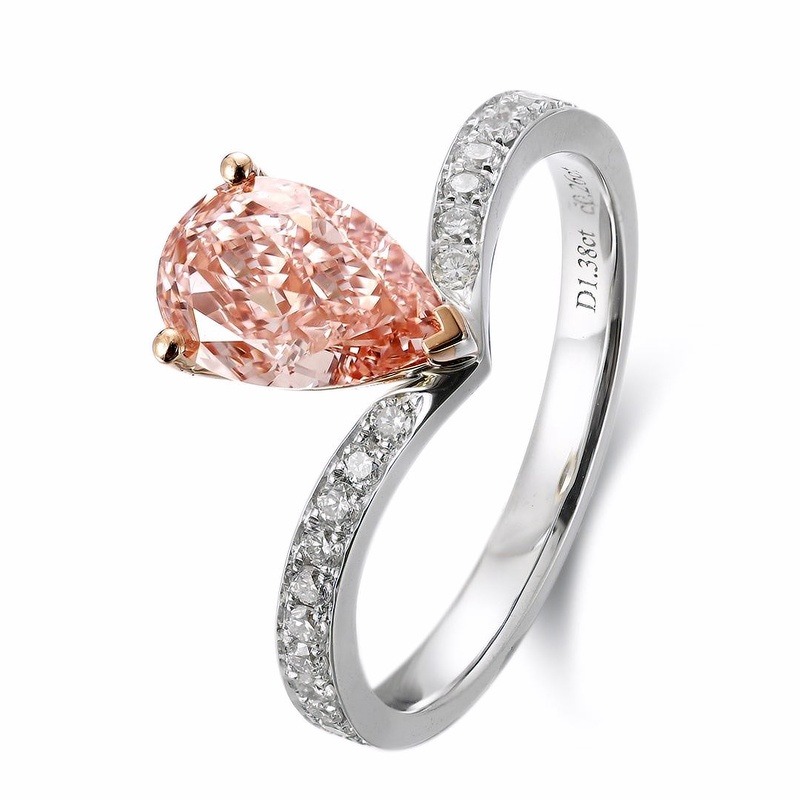
Although the typical custom lab-grown diamond ring timeline is around 3–6 weeks, several factors can influence the actual completion date.
A simple solitaire ring generally requires fewer manufacturing steps than a vintage-inspired ring with intricate metalwork, a pavé band, or a multi-stone setting. More complicated designs may need additional CAD revisions and careful hand-finishing.
An in-stock lab-grown diamond can help accelerate production. If the jeweler must source a specific stone based on its shape, size, measurements, or grading characteristics, the process may take longer.
Design approval is one of the most important milestones. Requests to change the center stone, band width, setting height, or decorative details after the initial model is completed can delay manufacturing.
The selected metal, ring size, and construction details can affect how the setting is produced. Unusual specifications or specialized finishes may require additional work.
Production schedules vary among independent jewelers, established jewelry brands, and online custom jewelry retailers. Busy periods, holiday demand, and limited workshop capacity can increase waiting times.
Personalized engraving, final resizing, additional inspections, and international delivery may add time after the main manufacturing process is complete.
Different ring styles require different amounts of work. The following estimates can help buyers establish realistic expectations.
| Ring type | Estimated timeline |
|---|---|
| Simple solitaire ring | 2–4 weeks |
| Classic oval or round engagement ring | 3–5 weeks |
| Hidden halo or pavé setting | 4–6 weeks |
| Three-stone custom ring | 4–6 weeks |
| Intricate vintage-inspired design | 6–10+ weeks |
These estimates are illustrative and may overlap. The actual timeline depends on the jeweler's workflow, the availability of materials, and whether design revisions are necessary.
A custom ring based on an existing design may also be completed faster than a completely original piece that requires extensive development.
Yes, it is possible in some circumstances, but a two-week turnaround should not be assumed for every custom order.
A jeweler may be able to complete a ring within two weeks if the diamond is already available, the design is relatively simple, the workshop has immediate production capacity, and the buyer approves the CAD model promptly.
Some retailers also offer rush production services for an additional fee. However, rush availability depends on the specific design and the jeweler's capabilities.
Before paying for expedited service, ask the jeweler to confirm the production deadline in writing. Clarify whether the promised date covers manufacturing only or includes delivery to your address.
For intricate designs, custom engraving, or a diamond that must be sourced, allowing additional time is generally the safer option.
If the ring is intended for a proposal, wedding, anniversary, or other special event, planning ahead can help avoid last-minute problems.
A practical approach is to order a simple custom ring at least four weeks before the desired date. For a more detailed engagement ring, six to eight weeks provides a more comfortable buffer. Highly intricate designs may require an even earlier start.
When choosing an order date, consider the following recommendations:
Finalize your diamond specifications and budget before placing the order.
Confirm that the selected lab-grown diamond is available.
Respond promptly to CAD design approvals and revision requests.
Ask whether the jeweler can guarantee the requested completion date.
Allow time for shipping, inspection, and possible resizing.
Avoid scheduling a proposal or other important event immediately after the estimated delivery date.
A little extra planning can make the custom jewelry experience much smoother, particularly when the ring is being made for a surprise proposal.
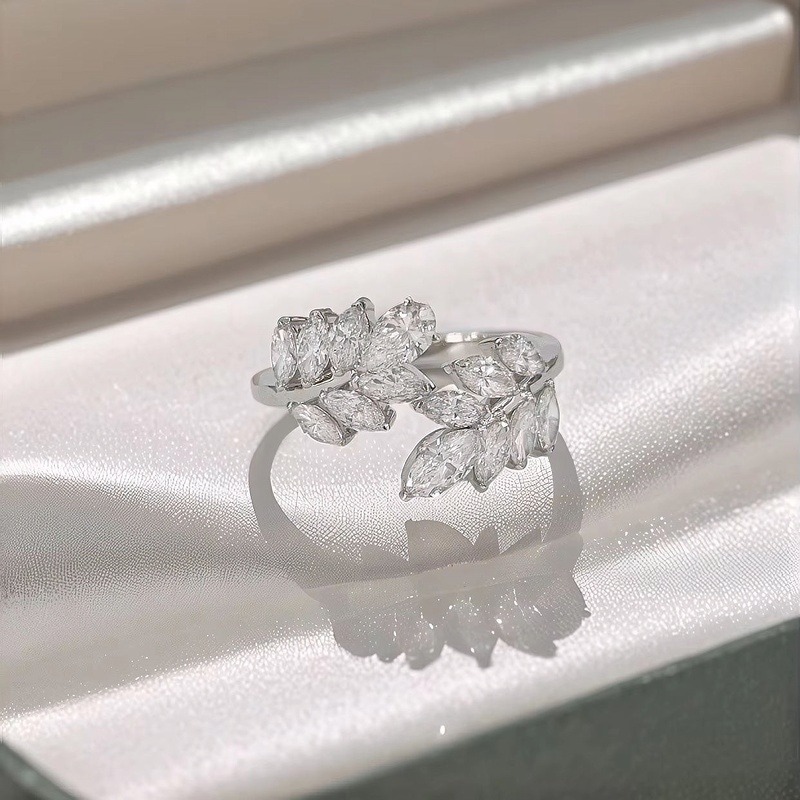
For many buyers, a custom lab-grown diamond ring is worth the additional production time because it offers greater control over the finished design.
Instead of choosing only from ready-made options, buyers can personalize the diamond shape, carat weight, metal color, band profile, setting style, and other design elements. This flexibility makes it easier to create a ring that reflects individual taste and fits a specific budget.
Lab-grown diamonds also provide an alternative to mined diamonds while offering comparable fundamental diamond properties. Their retail prices may be lower than those of comparable natural diamonds, although actual pricing varies by stone characteristics, retailer, and market conditions.
The combination of customization and a broad selection of diamond specifications makes lab-grown diamonds appealing for engagement rings, wedding jewelry, and anniversary gifts.
The key is to balance the desired design with a realistic production schedule. Buyers who communicate clearly with their jeweler and approve decisions promptly are generally better positioned to avoid preventable delays.
Most custom lab-grown diamond engagement rings take approximately 3–6 weeks from design approval to delivery. Simple designs may be finished in 2–4 weeks, while complex or highly personalized rings can take 6–10 weeks or longer.
Usually, yes. A ready-made ring may be available for immediate shipment or require only sizing, whereas a custom ring needs design approval, manufacturing, stone setting, and quality control.
CAD design and approval commonly take around 3–7 days, depending on the complexity of the ring and the number of revisions. Prompt feedback can help keep the project on schedule.
Yes. Many jewelers allow customers to modify an existing design by changing the center stone, metal type, band width, setting details, or engraving. These modifications may take less time than developing a completely original design, although the actual timeline varies.
Not necessarily. A larger diamond does not automatically require a longer production schedule, but it may require a specially designed setting. If the selected stone is difficult to source or has unusual dimensions, the overall timeline may increase.
The process depends on the jeweler. Some customers select their center diamond first, while others finalize the setting design before choosing a stone. Ideally, the center stone's exact measurements and specifications should be confirmed before the setting is finalized for manufacturing.
So, how long does a custom lab-grown diamond ring take? For most buyers, 3–6 weeks is a reasonable planning estimate, although straightforward designs may be completed sooner and intricate bespoke rings may require 6–10 weeks or more.
The process typically includes design consultation, lab-grown diamond selection, CAD modeling, manufacturing, stone setting, final inspection, and shipping. Each stage contributes to the finished ring's appearance, quality, and durability.
If you are planning to purchase a custom lab-grown diamond engagement ring for a special occasion, start early, confirm diamond availability, and ask your jeweler for a detailed production schedule. Allowing six to eight weeks whenever possible provides extra flexibility for design changes, shipping delays, and final adjustments.
With realistic expectations and careful planning, you can enjoy the process of creating a personalized diamond ring without unnecessary deadline pressure.