Cart
Your shopping cart doesn't have any products yet!
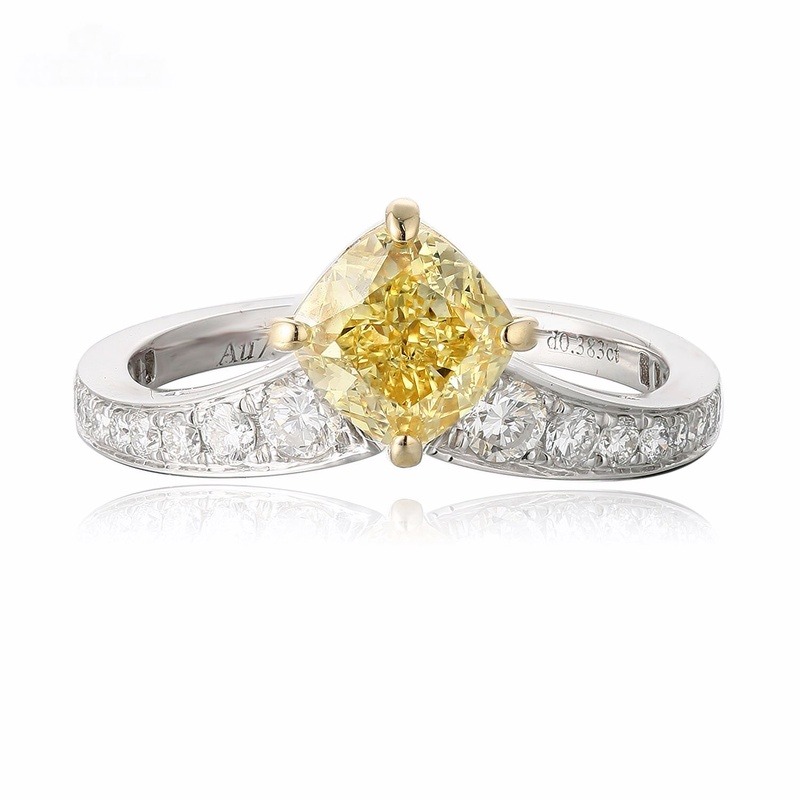
When custom making jewelry, selecting the right loose moissanite stone is only one part of the process. Buyers also want to know whether the gemstone they receive is the same stone described in its certificate or grading report. This question becomes especially important when ordering a custom moissanite engagement ring, a personalized pendant, or another piece of jewelry made with a separately purchased gemstone.
Does the certificate match the loose moissanite stone when custom making jewelry? Ideally, yes. When a seller provides a certificate or gemstone identification report for a specific loose moissanite stone, the document should correspond to that exact stone. However, not every moissanite certificate uniquely identifies an individual gemstone, and the level of verification depends on the issuing organization and the information recorded on the report.
Understanding how moissanite certificates work, what details to check, and how to verify a loose gemstone before setting it can help you make a more informed purchase and avoid misunderstandings during the custom jewelry process.
A moissanite certificate is a document provided by a seller, manufacturer, or gemological organization describing certain characteristics of a gemstone. Depending on the issuing organization, it may include details such as the gemstone's shape, measurements, weight, color description, material identification, and other identifying information.
Unlike a generic product card, a report intended for an individual gemstone should ideally contain sufficient information to connect the document to the specific stone being sold.
However, the word certificate does not always mean the same thing across the jewelry industry. Some documents provide a general description of a product or confirm that it is represented as moissanite. Others may contain detailed gemological observations or an identifying number associated with an individual stone.
For this reason, buyers should not assume that every moissanite certificate offers the same level of verification.
When purchasing a loose moissanite stone for custom jewelry, ask the seller what the document verifies and whether it applies to the exact gemstone being supplied.
In a properly documented transaction, the certificate or report should match the loose moissanite stone it accompanies. The important distinction is whether the document identifies an individual gemstone or describes a particular type or batch of product.
There are three common situations to understand.
Some gemstone reports include a unique report number and detailed measurements or other identifying characteristics associated with an individual stone. If the report contains an inscription or another verifiable identifier, that information may provide an additional way to establish the connection between the report and the gemstone.
When available, these details make it easier to check whether the loose moissanite stone corresponds to the supplied documentation.
Some sellers provide certificates that describe a general product specification, such as a particular shape, color category, or carat-equivalent weight. Such documents may be useful as product information, but they might not uniquely identify the individual stone.
If a certificate contains only general characteristics, it may be difficult to determine whether it belongs to one specific loose moissanite gemstone or another stone with similar specifications.
In some cases, a certificate or quality document may apply to a production batch or a group of gemstones rather than a single stone. This can be relevant when purchasing commercially manufactured moissanite, especially when multiple stones share similar specifications.
A batch document should not automatically be treated as proof that a particular loose stone has been individually examined.
The best approach is to confirm whether the document identifies the exact gemstone, describes a general product, or applies to a batch.
Before approving a loose moissanite stone for custom jewelry, compare the available documentation with the seller's product description and the actual gemstone.
Several details are especially useful.
The shape should match the selected gemstone. Common moissanite shapes include round brilliant, oval, pear, emerald, cushion, radiant, and marquise.
Cut style is also important. Two stones may share the same general shape but have different facet arrangements or proportions.
For example, an oval brilliant moissanite should not be confused with an emerald-cut stone simply because both are elongated.
Measurements are among the most useful details for comparing a loose gemstone with its documentation.
A report may list dimensions in millimeters, such as length, width, and depth. These measurements help the jeweler determine whether the stone will fit the intended setting.
Small differences may occur because of rounding, measurement methods, or manufacturing tolerances. Therefore, a minor discrepancy does not automatically mean that the wrong gemstone was supplied. Significant differences, however, should be clarified with the seller.
Moissanite sellers may describe stones using weight in carats, actual weight, or diamond-equivalent carat weight.
These terms are not necessarily interchangeable. Diamond-equivalent carat weight is commonly used to communicate the visual size of a moissanite relative to a diamond, rather than its actual mass.
For this reason, buyers should confirm what the certificate and product listing mean when they state a gemstone's weight.
If the figures appear inconsistent, ask the seller to explain the measurement basis before proceeding with custom jewelry production.
Color descriptions may include terms such as colorless or near-colorless, depending on the seller's grading system.
Different organizations may use different methods or terminology to describe moissanite color. A description from one seller may not be directly equivalent to a grading category used by another organization.
Check that the stone's documented color description is consistent with the agreed product specifications.
If the report includes a unique identification number, verify that it corresponds to the documentation provided by the issuing organization, where verification services are available.
Some gemstones may have a microscopic laser inscription, but not every moissanite stone is inscribed. An inscription should only be expected if the seller or issuing organization specifically confirms that the stone has one.
An identification number printed on a certificate is useful only to the extent that it can be reliably linked to the actual gemstone.
Matching the certificate to the loose moissanite stone is important because the gemstone is usually selected before the custom setting is finalized.
The documentation can help establish which stone was purchased, while the physical gemstone determines how the jeweler designs and manufactures the setting.
When a buyer chooses a particular loose moissanite stone, the expectation is that the same stone will be used in the finished ring or other jewelry piece.
Confirming the stone's identity before setting reduces the risk of confusion when a jeweler is handling several similar gemstones.
This is especially relevant for larger center stones, unusual cuts, or custom orders in which the buyer has selected a specific gemstone rather than simply requesting a particular size and color.
The actual measurements of a loose moissanite stone influence the design of the jewelry setting.
For example, a custom oval moissanite engagement ring may require specific prong positions and a setting designed around the stone's length, width, and depth.
If the stone supplied differs materially from the one used to develop the CAD model, the setting may need adjustments. Confirming the stone's specifications before production can help avoid unnecessary revisions.
A certificate that corresponds to the correct gemstone can make communication easier among the buyer, seller, and jewelry manufacturer.
The document provides a reference for discussing the stone's stated characteristics and can help resolve questions if the delivered gemstone appears different from the original order.
However, a certificate alone does not guarantee the quality of the finished jewelry, the security of the setting, or the accuracy of every product claim. Those aspects should be evaluated separately.
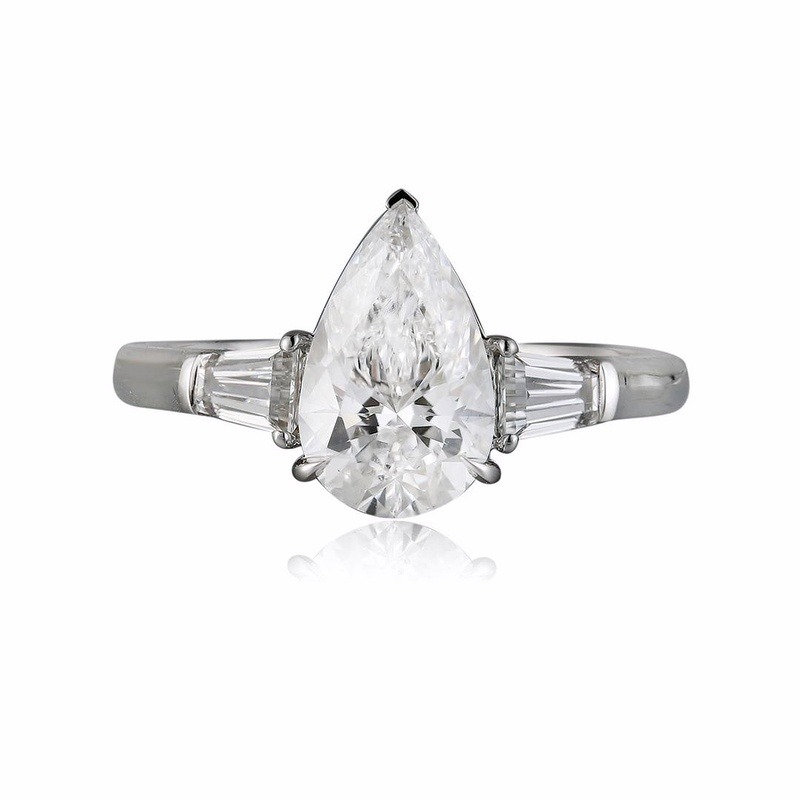
If you are purchasing a loose moissanite stone for custom jewelry, a few practical steps can help you confirm that the gemstone and its documentation correspond.
Request the certificate before production. Ask the seller to provide the relevant document before the loose gemstone is sent to the jeweler or permanently set.
Check the report number. If the document includes a unique number and the issuing organization offers verification, confirm the report details through the appropriate official channel.
Compare the measurements. Check the stone's listed dimensions against the certificate and the specifications used for the custom setting.
Confirm the stone's shape and color description. Ensure the gemstone matches the specifications agreed upon in the purchase order.
Ask whether the report is individual or generic. Clarify whether the document identifies the exact stone or simply describes a product category or batch.
Photograph the loose gemstone. Keep clear photographs of the stone and its documentation before setting, particularly for high-value custom orders.
Ask the jeweler to confirm receipt. Have the jeweler record the stone's measurements and, where applicable, identifying details before beginning production.
These steps provide a useful record of the gemstone supplied for the project. If the report cannot uniquely identify the stone, the purchase order, photographs, and documented measurements can still help establish what was agreed upon.
Yes, a qualified jeweler can often compare the loose stone with its accompanying documentation and assess whether the listed characteristics are consistent.
The jeweler may measure the gemstone, examine its cut and appearance, and review any identifying information provided by the seller.
However, visual inspection alone may not establish that a certificate belongs to a particular stone if several gemstones share similar characteristics. A more reliable match may require a unique inscription, verifiable report identifier, or additional documentation.
If the gemstone's identity is especially important, ask the jeweler what verification methods are available before setting the stone.
It is also useful to clarify who will be responsible for keeping the original certificate and whether the completed jewelry will be returned with the relevant documentation.
If the information on a certificate appears inconsistent with the loose gemstone, do not automatically assume that fraud has occurred. First, determine whether the discrepancy reflects a different measurement method, rounded figures, inconsistent terminology, or an actual difference in the stone supplied.
For example, a difference between actual carat weight and diamond-equivalent carat weight may explain why two figures do not match. Likewise, minor measurement differences can occur between instruments or reporting methods.
A practical response is to:
Pause the setting process until the discrepancy is clarified.
Photograph the loose gemstone and the certificate.
Compare the order confirmation, product listing, and agreed specifications.
Ask the seller for a written explanation.
Request corrected documentation or an appropriate resolution if the wrong stone was supplied.
If the stone has already been set, consult the jeweler before attempting to remove it. Removing a gemstone can introduce unnecessary risk, particularly if the setting is delicate or the stone is tightly secured.
Keeping written records and resolving questions before the final assembly stage can make the custom jewelry process more straightforward.
A certificate can be helpful, but whether it is essential depends on the purchase and the type of documentation provided.
For many commercial moissanite stones, buyers may receive a seller's certificate or product specification sheet rather than an individually issued gemological report. This is not necessarily unusual, but the document's limitations should be clear.
For a custom engagement ring or another personalized jewelry piece, buyers should prioritize accurate product descriptions, consistent measurements, reliable seller communication, and clear purchase terms.
If a seller advertises an individually certified moissanite stone, ask who issued the report and what information it verifies. If the seller makes a specific claim about individual identification, the documentation should support that claim.
A certificate should be viewed as one part of the verification process rather than a complete guarantee of gemstone quality or authenticity.
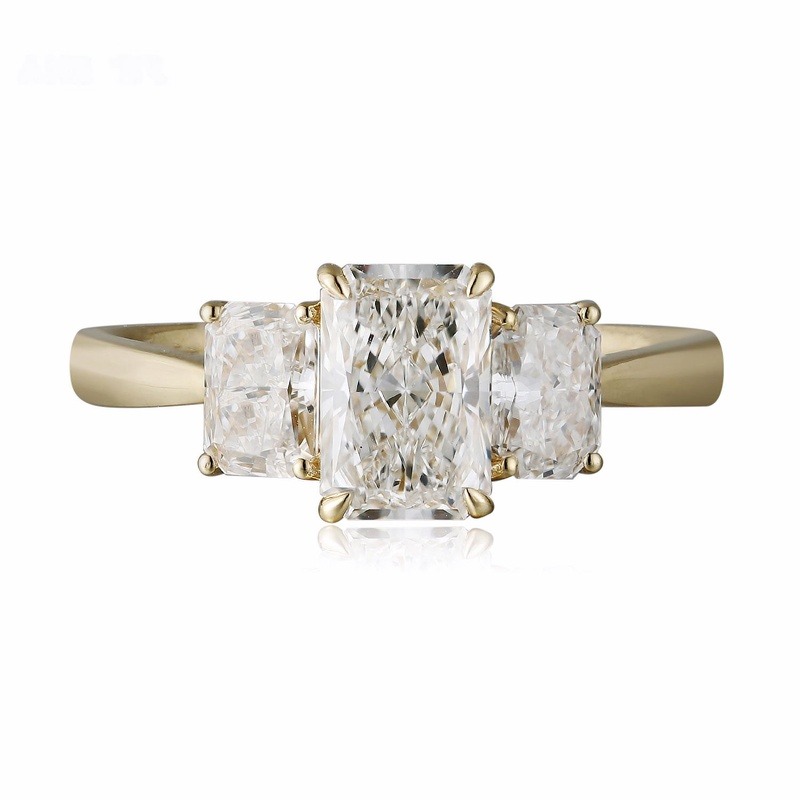
In many cases, the original loose gemstone certificate remains relevant after the stone is mounted, provided that the document accurately identifies the stone and the gemstone has not been replaced.
Setting the moissanite in a ring or pendant does not inherently change the identity of the gemstone. However, mounting may make some measurements or identifying features more difficult to inspect.
If the jewelry manufacturer replaces the center stone during production, the original documentation may no longer correspond to the finished piece.
Some jewelers may also provide a separate invoice, warranty document, or finished-jewelry description. These documents serve different purposes from a gemstone certificate and should not be confused with one another.
For clarity, keep the original certificate, purchase receipt, and custom design specifications together after receiving the finished jewelry.
No. Some sellers provide individual gemstone reports, while others include general product certificates or no separate certificate at all. Ask the seller what documentation is supplied and whether it uniquely identifies the stone.
Check the issuing organization's identity, the report number, and whether the organization offers an official verification service. A document's appearance alone does not establish its authenticity or prove that it belongs to the gemstone.
Not necessarily. The report may describe certain characteristics, but its value depends on the issuing organization, the examination performed, and the information included. Review the actual stone, seller specifications, and purchase terms as well.
Ideally, check the documentation and gemstone before setting begins. This allows the jeweler to confirm the stone's measurements and identity before manufacturing is completed, making discrepancies easier to resolve.
Yes. Commercially manufactured moissanite stones can share similar dimensions, shapes, and color descriptions. These characteristics alone may not uniquely identify an individual gemstone.
A verified inscription can provide a useful link between a gemstone and a report, if the issuing organization confirms the connection. However, not all moissanite stones have inscriptions, and an inscription should not be treated as independently conclusive without appropriate verification.
Review the order confirmation and any identifying records, then contact the jeweler promptly. Ask for an explanation and compare the supplied stone with the agreed specifications before accepting the finished piece.
Does the certificate match the loose moissanite stone when custom making jewelry? Ideally, it should, but the level of certainty depends on whether the document identifies an individual gemstone or simply describes a product or batch.
When ordering a custom moissanite engagement ring, pendant, or other jewelry piece, buyers should compare the certificate's details with the stone's shape, measurements, color description, and any available identification information. A report number or verified inscription can provide additional assurance when those features are available.
The most effective approach is to confirm the gemstone's specifications before setting begins, maintain clear purchase records, and ask the jeweler to document the stone received for the project. These simple steps can reduce confusion, support accurate custom manufacturing, and help ensure that the finished jewelry reflects the gemstone you selected.
Ultimately, a certificate is most useful when its purpose is clearly understood and its details can be reliably connected to the actual loose moissanite stone.