Cart
Your shopping cart doesn't have any products yet!
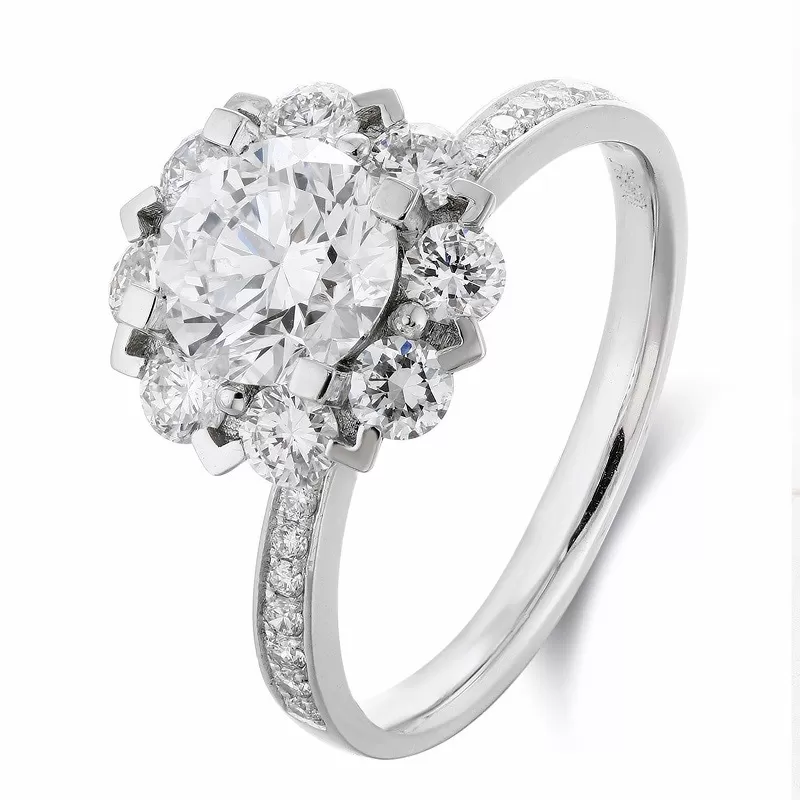
Buying fine jewelry online has become easier than ever, but choosing the right gemstone still requires careful research. A beautiful stone may look impressive in product photographs, yet buyers often want more information about its identity, quality, and authenticity before making a purchase. This is where gemstone certificates and grading reports become important.
When comparing lab-grown diamonds with moissanite, two names frequently appear in product listings: IGI and GIA for laboratory-grown diamonds, and GRA for moissanite. Although all three names are associated with gemstone documentation, their reports should not automatically be considered equivalent.
IGI and GIA are established gemological organizations that issue diamond grading reports, while GRA-branded moissanite certificates are commonly provided with moissanite jewelry and should be evaluated according to their specific issuer, verification options, and stated purpose.
Understanding these differences can help buyers avoid misleading claims, compare gemstones more accurately, and choose jewelry that matches their expectations and budget.
A gemstone certificate, often called a grading report or identification report, is a document that records information about a particular stone. Depending on the issuing organization and the type of report, it may include the gemstone's identity, measurements, weight, color, clarity, cut-related details, and identifying characteristics.
However, not every document provides the same level of examination or independent verification.
Some reports are issued by established gemological laboratories after professional assessment. Others are supplied by manufacturers, brands, or sellers as part of a product package. A document's usefulness depends on who issued it, what procedures were followed, and what information it actually confirms.
When shopping for lab-grown diamonds or moissanite, buyers should look beyond the presence of a certificate and ask three essential questions:
Who issued the document?
What characteristics does it evaluate or verify?
Can the report be independently checked against the gemstone being sold?
These questions are more useful than simply assuming that a certificate makes one gemstone superior to another.
The International Gemological Institute (IGI) is a well-known gemological organization that issues grading reports for natural and laboratory-grown diamonds, along with reports for other gemstones and jewelry.
IGI has become a familiar name in the lab-grown diamond market. Many online retailers and jewelry manufacturers use its reports to document the characteristics of their laboratory-grown diamonds.
Depending on the report type, an IGI lab-grown diamond grading report may provide details such as:
Diamond identity: Identification as a laboratory-grown diamond.
Carat weight: The measured weight of the stone.
Color grade: A grade describing the diamond's body color under the applicable grading system.
Clarity grade: An assessment of internal inclusions and external blemishes.
Cut grade: Where applicable, an evaluation of the diamond's cut quality.
Measurements: The stone's dimensions, often recorded in millimeters.
Growth method: Additional information about how the laboratory-grown diamond was created, where included in the report.
Report number: An identifier that may be used to retrieve or verify the report through the laboratory's official services.
Not every IGI report contains every possible detail. Buyers should check the specific report rather than assume all documents follow an identical format.
One major advantage is the availability of structured grading information. Two lab-grown diamonds may have the same carat weight but differ significantly in color, clarity, proportions, and visual appearance. A grading report helps buyers compare these characteristics more systematically.
For example, a 1-carat lab-grown diamond with a higher clarity grade may be priced differently from another 1-carat stone with more visible inclusions. Similarly, differences in cut quality can influence brightness, fire, and overall visual performance.
An IGI report gives buyers a standardized reference point for understanding these differences.
When purchasing a lab-grown diamond, locate the report number on the document and use IGI's official report-verification service when available. Compare the retrieved information with the seller's description.
Check the carat weight, measurements, color, clarity, and other listed details. If the diamond has a laser inscription, ask the seller or a qualified jeweler to confirm that it matches the report number, where applicable.
A report lookup is an important safeguard, but it does not eliminate every risk. Buyers should also assess the seller's reputation, return policy, and whether the actual stone matches the documentation.
The Gemological Institute of America (GIA) is a prominent gemological research and education organization known for its diamond grading and gemstone identification work.
GIA documentation is widely recognized in the diamond industry. However, its approach to laboratory-grown diamond reporting has evolved over time, so buyers should pay attention to the date and exact type of report they receive.
GIA has offered different reporting formats for laboratory-grown diamonds over the years. Historically, its laboratory-grown diamond reports included color and clarity assessments using grading scales familiar from natural-diamond grading. GIA introduced a revised approach for many laboratory-grown diamonds submitted under its newer system, emphasizing descriptive quality categories rather than simply mirroring the traditional natural-diamond grading format.
Because reporting practices can change, buyers should not assume every GIA laboratory-grown diamond document contains the same categories.
Depending on the report and the applicable policy, the document may identify the stone as laboratory-grown and provide details about its weight, measurements, quality characteristics, and other identifying information.
GIA has a long-established reputation in gemological research, education, and diamond identification. Its reports can provide valuable information for buyers who want professional documentation from a recognized organization.
However, the presence of a GIA report does not automatically mean that a diamond is better than an otherwise comparable diamond accompanied by an IGI report.
The actual stone's quality, the report's contents, the seller's pricing, and the buyer's priorities remain important. A report is a source of information, not a substitute for evaluating the diamond itself.
There is no universal answer. Both organizations provide documentation that can help buyers understand laboratory-grown diamonds, but the reports may differ in format, terminology, and the information they emphasize.
| Comparison | IGI | GIA |
|---|---|---|
| Main role | Gemological reports and grading | Gemological research, identification, and grading reports |
| Lab-grown diamond documentation | Widely used in the lab-grown diamond market | Available under the organization's applicable reporting policies |
| Grading format | Report-dependent; may include familiar color and clarity grades | Depends on report type and the policy in effect when issued |
| Report verification | Use IGI's official verification service when available | Use GIA's official report-checking services when available |
| Buyer consideration | Confirm the report matches the exact stone | Check the report date and applicable grading format |
For many shoppers, the most practical approach is to compare reports for the actual diamonds under consideration, rather than choosing a stone based on the laboratory's name alone.
GRA is a name frequently seen on certificates supplied with moissanite gemstones and jewelry. These documents commonly list product details such as gemstone shape, measurements, carat-equivalent weight, color descriptions, and an identification number.
However, the acronym GRA should not automatically be interpreted as representing an organization equivalent in status, scope, or grading practices to IGI or GIA.
The key distinction is that a GRA-branded moissanite certificate should not be assumed to have the same independent grading authority, testing procedures, or market recognition as a report issued by IGI or GIA. Buyers should establish who issued the particular document and what verification it offers.
Depending on the seller and certificate format, a GRA-branded document may contain:
A certificate or identification number.
The gemstone's stated identity as moissanite.
Shape and measurements.
Color descriptions.
Clarity descriptions.
Carat-equivalent weight or other weight-related information.
A product description or accompanying jewelry details.
The exact contents vary. Some certificates may be designed primarily to accompany a retail purchase rather than provide a comprehensive, independent assessment of gemstone quality.
It is therefore important to read the actual document rather than assume it confirms every claim made in a product listing.
A certificate may provide useful product information, but its evidentiary value depends on the issuing body, testing process, and availability of reliable verification.
A printed logo and certificate number alone do not establish that a gemstone has undergone independent laboratory testing. Buyers should check whether the document can be verified through an official service and whether the issuer clearly explains its identification and grading procedures.
If the identity of the stone is especially important, an independent gemologist or qualified gemological laboratory may be able to examine it.
No. Similar abbreviations can cause confusion, but GRA and GIA should not be treated as interchangeable names.
GIA is the Gemological Institute of America, an established gemological organization with a substantial history in research, education, and gemstone reporting. GRA-branded certificates are commonly encountered in the moissanite retail market, and their authority and methodology should be assessed individually.
Buyers should never assume that a GRA certificate carries the same recognition or grading standards as a GIA report simply because the names look similar.
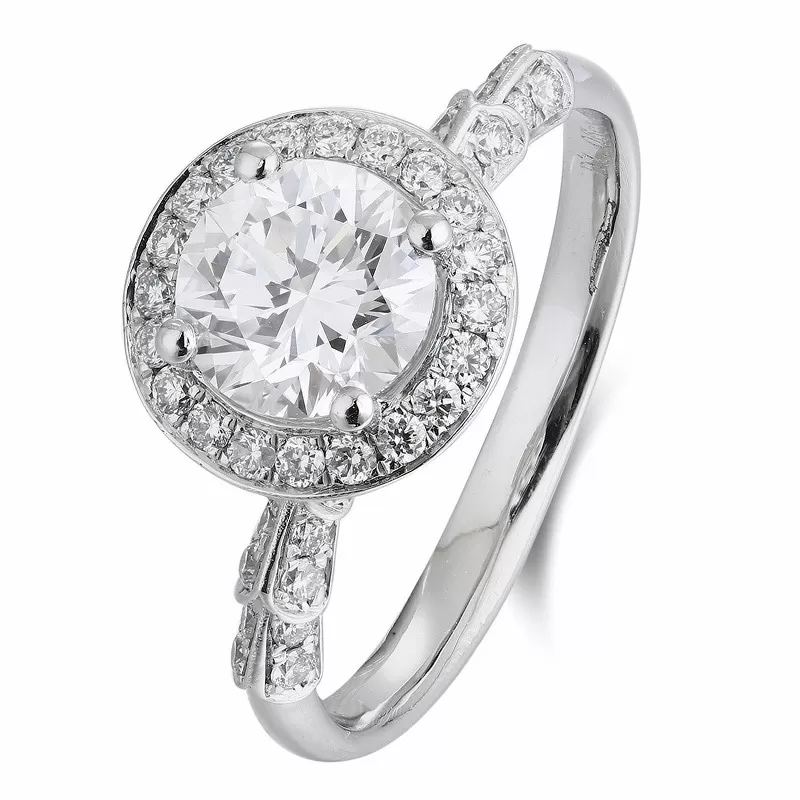
Lab-grown diamonds and moissanite may look similar at first glance, but they are different materials with distinct physical and optical properties.
A laboratory-grown diamond has essentially the same crystal structure and chemical composition as a natural diamond. It is produced in a controlled environment, commonly using high-pressure, high-temperature (HPHT) or chemical vapor deposition (CVD) methods.
Moissanite is silicon carbide. It has a different crystal structure and optical behavior, including strong fire that can produce noticeable rainbow-colored flashes.
These material differences influence how the gemstones are identified and evaluated.
Laboratory-grown diamonds are assessed within diamond-reporting frameworks. Their color, clarity, weight, measurements, and other characteristics may affect appearance and price.
Because lab-grown diamonds are chemically and structurally diamond, it is important to identify their laboratory-grown origin accurately. Reputable reports clearly distinguish them from natural diamonds.
Moissanite is not a type of laboratory-grown diamond. Although both materials can be manufactured in laboratories and used in similar jewelry designs, they are not the same gemstone.
A moissanite certificate should therefore document the stone as moissanite rather than use diamond grading terminology in a way that implies the stone is diamond.
Some retail descriptions use terms such as "diamond equivalent weight" to help consumers compare the visual size of moissanite with diamond jewelry. This is not the same as saying that the moissanite has the same actual weight or material identity as a diamond.
Understanding this distinction can prevent confusion when comparing a lab-grown diamond ring with a moissanite ring or pendant.
The most important difference is not simply which organization has the more familiar name. It is the type of gemstone being documented and the purpose and reliability of the document.
| Feature | IGI/GIA Diamond Reports | GRA-Branded Moissanite Certificates |
|---|---|---|
| Typical gemstone | Laboratory-grown diamond, depending on report | Moissanite |
| Primary purpose | Document diamond identity and specified quality characteristics | Commonly document retail moissanite product details |
| Grading framework | Depends on the laboratory and report type | Varies by issuer and certificate format |
| Independent assessment | Based on the relevant laboratory's stated reporting procedures | Must be evaluated for the specific issuer and process |
| Verification | Official laboratory report-checking services may be available | Depends on the issuing organization and its verification system |
| Market recognition | Established gemological organizations | Varies; should not be assumed equivalent to IGI or GIA |
| Main buyer concern | Confirm the report matches the diamond and understand its grading format | Confirm the document's issuer, scope, and evidentiary value |
This comparison does not mean that every moissanite certificate is worthless or that every diamond report guarantees a flawless purchase. It means that buyers should evaluate each document according to what it actually verifies.
Whether you are buying a loose lab-grown diamond, a custom engagement ring, or a moissanite pendant, taking a few verification steps can reduce the chance of receiving a product that differs from its description.
Look for the full name of the laboratory or certificate issuer, not just an abbreviation or logo. Review the issuer's official website to understand its services and reporting procedures.
For an IGI or GIA diamond report, use the organization's official resources to confirm that the report type is genuine and that its details are consistent with the document.
For a GRA-branded moissanite certificate, determine which organization issued it and whether the certificate number can be checked through a trustworthy official service.
Compare the report's measurements, weight, shape, and other characteristics with the product listing.
A certificate for a similar-looking stone is not enough. The documentation should correspond to the exact gemstone being purchased.
Where appropriate, ask whether the stone has a laser inscription or another identifying feature that can be checked against the report.
Do not assume that terms such as "excellent," "premium," "colorless," or "flawless" have identical meanings across all sellers and organizations.
For a lab-grown diamond, identify the specific grading scale and report format. For moissanite, determine whether the descriptions represent an independent grading assessment, a manufacturer specification, or the seller's own terminology.
A trustworthy retailer should clearly explain its return policy, warranty terms, and procedures for addressing discrepancies.
For higher-value purchases, consider having the gemstone inspected by an independent professional after delivery, provided this is compatible with the seller's return conditions.
Save the report, purchase receipt, product description, and any relevant communications. These records may be useful if you need to verify the stone later, arrange repairs, or resolve a dispute.
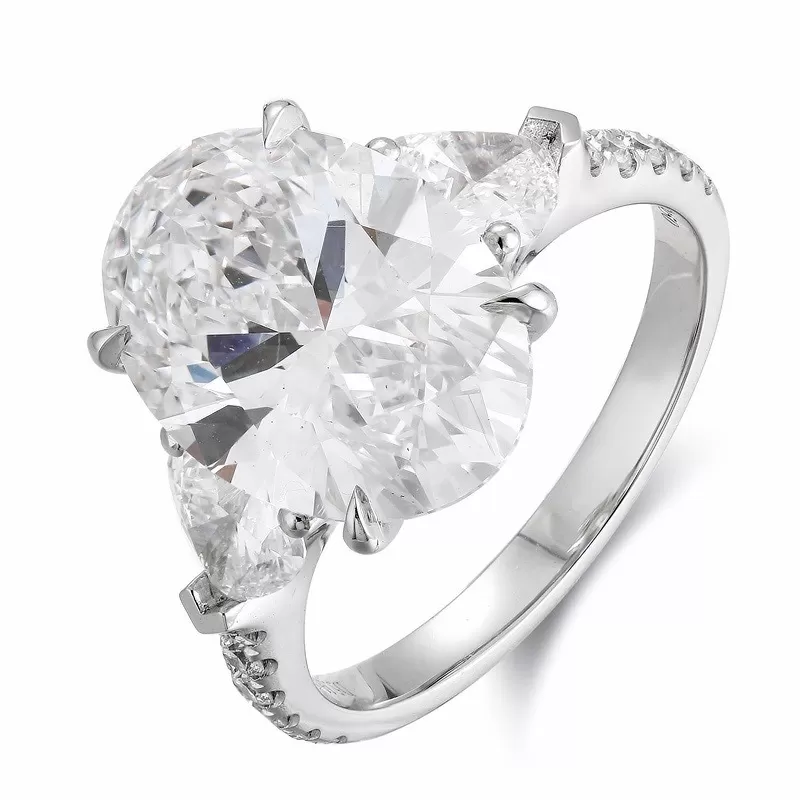
Gemstone documentation can influence buyer confidence and may affect how easily a stone's stated characteristics can be compared with other products. However, a certificate does not determine the gemstone's value by itself.
The price of a lab-grown diamond can depend on carat weight, color, clarity, cut quality, shape, measurements, growth characteristics, market conditions, and the retailer's pricing strategy.
A report from a recognized laboratory can make it easier to compare these attributes. Nevertheless, two diamonds with similar reports may still differ in light performance, proportions, appearance, or price.
Moissanite prices are influenced by factors such as size, cut, color appearance, brand, craftsmanship, setting materials, and retailer positioning.
A GRA-branded certificate may be included in a retail package, but buyers should not assume that the certificate alone justifies a higher price. The quality of the stone, construction of the jewelry, seller reputation, and return policy are also important.
For both materials, it is sensible to compare the actual product and the supporting documentation rather than paying a premium based solely on a certificate logo.
The right choice depends on what you want from the jewelry, how much you intend to spend, and which gemstone properties matter most to you.
A lab-grown diamond may be the right choice if you specifically want a diamond, value traditional diamond grading information, and prefer to compare stones using established laboratory reports.
An IGI or GIA report can provide useful documentation, but you should still compare the actual diamond's characteristics and verify that the report matches the stone.
Moissanite may be attractive if you want strong brilliance and colorful fire at a generally lower purchase price than a comparable lab-grown diamond.
For moissanite, evaluate the gemstone's appearance, cut quality, setting, and the retailer's reputation. Treat any accompanying GRA certificate as supporting documentation whose specific issuer and scope should be checked, rather than as automatic proof of independent grading.
A certificate is a tool for understanding a purchase, not the sole reason to buy a gemstone. If two products have different prices, make sure you are comparing the same material, similar dimensions, comparable craftsmanship, and equivalent product features.
Most importantly, do not compare the carat weight of moissanite directly with the carat weight of diamond without checking what the listing means. Some moissanite products are advertised using diamond-equivalent visual size, which is different from actual gemstone weight.
Not necessarily. Some documents are issued following independent examination, while others may be retailer or manufacturer certificates. Read the issuer's information and the report's stated purpose.
No. A certificate does not change the identity of the gemstone. Moissanite remains silicon carbide, while laboratory-grown diamond is diamond material created in a laboratory.
No. The issuing organization is only one consideration. The diamond's actual characteristics, the report format, and the match between the stone and the report also matter.
A grading report documents specified characteristics; it does not guarantee resale price, appreciation, or future demand. Both lab-grown diamonds and moissanite should be purchased with realistic expectations about resale value.
Price alone does not establish report quality or authenticity. Buyers should verify the document independently and assess the product itself.
IGI is widely used in the laboratory-grown diamond market and provides reports that can help buyers understand a diamond's stated characteristics. Check the exact report, verify its number through official channels where available, and ensure that the stone matches the documentation.
Neither is universally better for every buyer. Both are recognized gemological organizations, but their laboratory-grown diamond reporting formats and policies may differ. Compare the specific reports and the actual stones rather than relying on the laboratory name alone.
Its reliability depends on the issuing organization, verification process, and information included. A GRA-branded certificate should not automatically be treated as equivalent to an independent report from IGI or GIA. Verify the issuer and seek independent examination if you need greater confidence in the gemstone's identity.
GIA is best known for its diamond grading and broader gemological identification work, but buyers should not assume that every moissanite product can receive the same type of report as a diamond. Check GIA's current services and policies if you want documentation for a specific gemstone.
They can look similar, particularly in jewelry photographs, but they have different optical properties. Moissanite often displays stronger rainbow-colored fire, while a diamond's light performance depends on its cut and other characteristics. An in-person comparison can help you decide which appearance you prefer.
That depends on the gemstone, price, seller, and your comfort with the available evidence. For a valuable lab-grown diamond, an appropriate report from a recognized laboratory can make comparison and verification easier. For moissanite, a certificate may be less important than the stone's visible quality, reliable product details, and the seller's return policy.
Gem certificates can help jewelry buyers make more informed decisions, but their value depends on the organization behind the document and the claims it supports.
IGI and GIA are established gemological organizations that provide documentation for laboratory-grown diamonds under their respective reporting systems. GRA-branded certificates are commonly supplied with moissanite products, but buyers should verify the specific issuer and should not automatically assume equivalent grading authority or independent testing.
When comparing IGI/GIA lab diamond reports with GRA moissanite certificates, focus on gemstone identity, report verification, the scope of the assessment, and whether the documentation matches the actual stone.
Ultimately, the best jewelry purchase combines accurate information, transparent pricing, dependable craftsmanship, and a reputable seller. A certificate can support that decision, but understanding what it does—and does not—prove is what helps you buy with confidence.